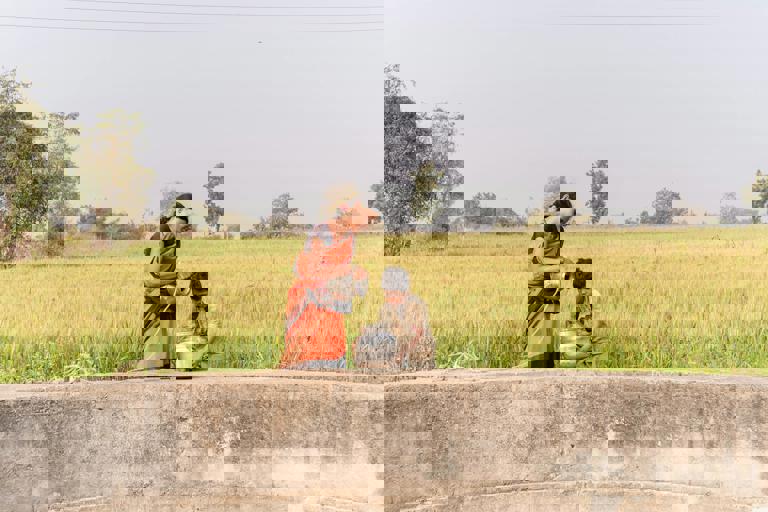
Australian farmers are grappling with an unexpected fertiliser shortage as crucial international shipments remain delayed at sea. This disruption, attributed to widespread global shipping challenges, is already impacting rural communities and sparking strong reactions from agricultural industry groups. Peak bodies warn that the hold-up could not only temper this season’s crop yields but also jeopardise the nation's food supply chain if the situation does not improve soon.
The problems trace back to a series of logistical bottlenecks affecting global trade routes. Recent data from maritime analytics firms shows congestion at key Asian and Middle Eastern ports, combined with rerouted vessels avoiding areas of geopolitical tension. Shipping companies are reporting average delays of two to three weeks, causing fertiliser imports arriving in Australia to fall drastically behind schedule compared to previous years.
Fertilisers, particularly nitrogen, phosphorus, and potassium compounds, are vital to maintaining soil fertility and ensuring strong yields of wheat, barley, canola, and other staple crops. According to the National Farmers' Federation, over 70 percent of Australian fertiliser is sourced from overseas. Dale Park, spokesperson for the federation, stated, “A missed shipment at this time of year poses a direct threat to farm productivity and, by extension, the livelihoods of thousands of families.”
With planting season underway, many producers now face the tough choice between waiting for delayed imports or using less fertiliser than optimal. Some have resorted to rationing existing supplies, while others scramble to source high-priced alternatives domestically. Grain farmer Jess Anderson warned, “If we don’t get more fertiliser soon, we’ll see both lower yields and higher production costs, which puts the entire season at risk.”
Complicating the matter further is the unpredictability caused by the delays. Typically, farmers and suppliers rely on precise delivery windows to coordinate planting and fertilisation schedules. Breaking these timelines means downstream effects for the wider agricultural sector. Experts warn that, if shipping issues persist for several more weeks, long-term soil health could be compromised due to diminished nutrient input this year.
The shortage is also fueling price hikes throughout the supply chain. Fertiliser prices, which had already been trending upwards due to increased global demand and conflict-driven supply disruptions abroad, have surged even further in recent weeks. Industry analyst Michael Ritchie notes, “Wholesale prices have jumped by up to 30 percent in the past month alone, making it harder for small and mid-size farms to compete.”
Government officials are closely monitoring the situation but admit there are few quick fixes. Attempts to accelerate customs and port clearance procedures have met with limited success since the core issue lies beyond Australian shores. Federal Agriculture Minister Murray Watt has pledged to work with trade partners and industry leaders to seek alternative shipping routes and ensure critical fertiliser supplies are prioritised.
Agricultural lobby groups are urging policymakers to consider more robust, long-term strategies for future crises. Ideas include incentivising domestic fertiliser production and diversifying import sources to cushion against international shocks. Rural economist Dr. Sharon Liu commented, “Australia’s reliance on foreign suppliers has repeatedly exposed our farmers to global disruptions. Now is the time to think strategically about local capacity and supply chain resilience.”
Despite these challenges, the farming community remains determined to weather the crisis. Many are actively sharing resources and knowledge, demonstrating the resilience for which rural Australia is known. As harvest seasons approach, all eyes are on the ports and shipping lines. The hope is that a swift resolution can help avert significant losses, but many acknowledge that the lessons learned this year could reshape Australia’s agricultural sector for years to come.