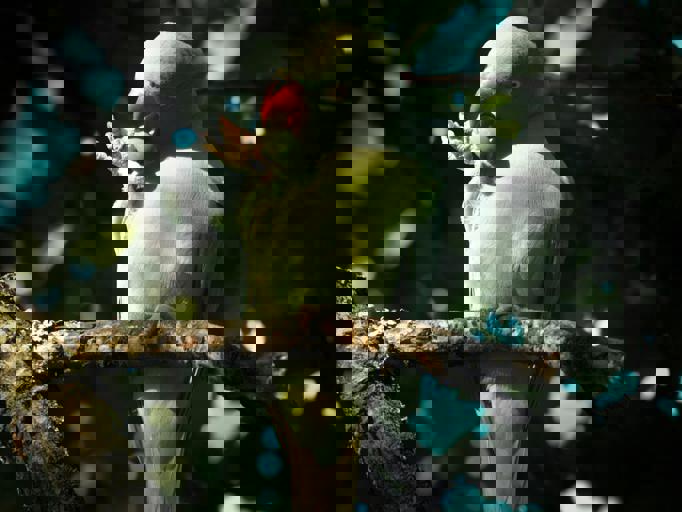
In a remarkable turn of events, birdwatchers and conservationists are celebrating the nesting of a rare parrot species in Sydney’s iconic Centennial Park. This unprecedented occurrence marks the first confirmed return of the vibrant Regent Parrot (Polytelis anthopeplus) to the urban haven in over four decades. The discovery, confirmed by a coalition of local ornithologists, has already set the city’s wildlife community abuzz with excitement and hope for further environmental revitalisation.
For many years, Regent Parrots were considered lost to urban Sydney, with centennial park long assumed inhospitable due to urbanisation and habitat fragmentation. The current sighting, first reported by an avid local birder, prompted cautious optimism among experts. Upon further investigation, conservationists identified an active nest high in a eucalyptus near the park’s northern pond, housing a small pair believed to be establishing a new territory.
Lisa Mendel, spokesperson for Birds Australia, expressed astonishment at the find. “We’ve maintained records here for over twenty years, and never once documented Regent Parrots nesting in Centennial Park. This is extraordinary—proof that our restoration efforts may be working.” According to Mendel, habitat improvement in the park, including planting native flora, has likely played a pivotal role in attracting this elusive species back to the urban greenspace.
The Regent Parrot is renowned for its striking yellow plumage and distinctive sweeping calls, making it a sought-after sighting among avian enthusiasts. In Australia, its population has faced steady decline due to loss of woodland environments and competition from invasive species. Conservationists estimate fewer than 2,500 individuals remain in New South Wales, heightening the significance of any breeding event within the metropolitan area.
News of the nesting has drawn a surge of birdwatchers to Centennial Park, where crowds quietly gather in hopes of glimpsing the rare birds. Local guide and avid birder Paul Nguyen noted, “We’ve seen binoculars and cameras lining the paths. There’s a real sense of camaraderie and shared excitement—it’s not every day you witness history in your own backyard.” Park rangers have since cordoned off the area near the nest to protect the pair from undue disturbance.
The sudden influx of visitors has posed both an opportunity and a logistical challenge for park management. “We’re thrilled to facilitate educational opportunities and foster greater appreciation for biodiversity,” said Centennial Parklands’ ecological manager Zoe Harrison. “However, we kindly ask all visitors to respect boundaries to ensure the safety and well-being of these rare parrots. We are monitoring the site closely and will update the public on their progress.”
The nesting event underscores broader environmental success stories in Sydney, where urban green spaces play a crucial role in sustaining vulnerable wildlife. Experts believe that ongoing reforestation, invasive weed removal, and community involvement have enhanced Centennial Park’s suitability as a breeding ground. This win for the Regent Parrot serves as a beacon of hope for other threatened species potentially poised for urban recolonization.
Dr. Samuel Ward, an avian ecologist at the University of Sydney, contextualised the discovery within the region’s conservation landscape. “This could signal a positive shift in urban ecology,” he explained. “If suitable habitat corridors connect city parks with reserves outside Sydney, more native fauna could return. It’s a testament to the power of public green spaces when managed thoughtfully and collaboratively.”
Beyond its ecological implications, the Regent Parrot’s return has sparked public engagement with Sydney’s natural heritage. Schools are reportedly planning excursions to Centennial Park, incorporating the event into lesson plans focused on conservation and local biodiversity. Community groups have also arranged birdwatching workshops, reflecting a growing appreciation for the complex relationship between urban environments and native species.
Some experts remain cautious, stressing that one successful nesting does not guarantee long-term population recovery. “Urban environments present many hazards—cats, human disturbance, pollution,” noted wildlife biologist Dr. Elaine Foster. “Continuous monitoring and adaptive management are essential. Nonetheless, this is a promising sign, and it’s vital we seize the momentum to strengthen bird-friendly initiatives across Sydney and beyond.”
As the breeding season continues, local ornithologists vow to track the parrot pair’s development and gather data that could inform future conservation strategies. The Regent Parrot’s unexpected return has ignited hope and determination, reminding Sydneysiders of nature’s resilience and the profound rewards of environmental stewardship. For now, Centennial Park stands as a living testament to the possibility of urban wildlife revival, inspiring residents and visitors alike to protect these precious green spaces.