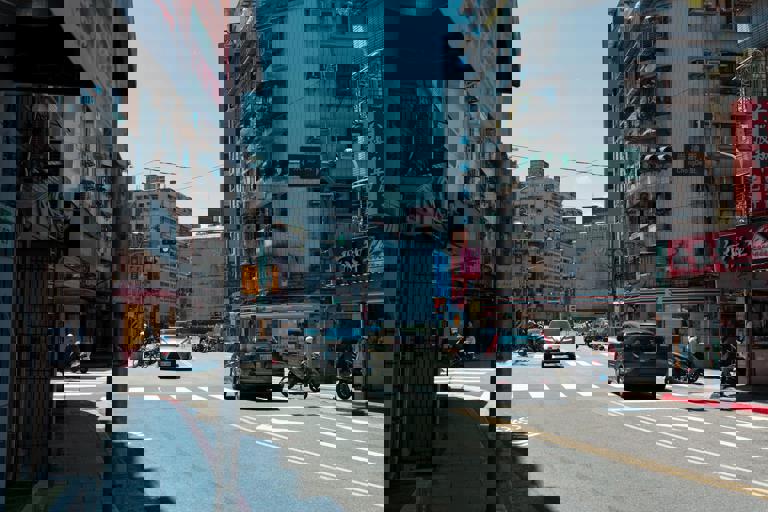
A major change is coming to the city’s transportation landscape as the council has announced plans to install new separated cycling lanes along key inner-city thoroughfares. Under the initiative, dozens of highly sought-after parking spots will be removed by September to make way for the expanded bike routes. The decision forms part of a broader commitment to sustainable urban mobility and has triggered a lively debate between various community stakeholders.
Local residents and business owners have expressed mixed reactions to the proposed cycling lanes. While some see the initiative as a progressive step towards greener commuting, others are concerned about its potential impact on convenience and commerce. "We support efforts to reduce emissions, but losing nearby parking will make it harder for our customers," said Maria Ellis, who manages a café near one planned route. This sentiment is echoed by others worried about accessibility.
The council, however, remains steadfast in its decision, citing both environmental and safety benefits. Councillor James Howlett explained, "Separated cycling lanes are proven to significantly reduce accidents involving cyclists and vehicles. Beyond that, they encourage active transport, which is essential for both individual health and lowering city pollution." The council plans outreach programs to address community concerns as construction approaches.
According to city planners, the routes have been strategically chosen based on traffic studies and public feedback gathered over the past two years. Data suggest that these inner-city corridors see high levels of cycling activity and accident rates, justifying the need for safer infrastructure. The city projects an increase in cycling commutes by 15 percent within the first year of the lanes becoming operational, which could alleviate congestion during peak hours.
Some local advocacy groups have welcomed the changes, highlighting the positive environmental impact. "Every kilometer cycled instead of driven means less carbon emitted into our air," noted Claire Vaughan, spokesperson for Cycling for Change, a nonprofit focused on sustainable transport. Vaughan argues that improved bike infrastructure will also foster a more vibrant urban environment and encourage people of all ages to take up cycling safely.
Business groups, on the other hand, are lobbying for mitigation measures to prevent revenue losses linked to reduced parking availability. The Chamber of Commerce has called for increased short-term loading zones, better signage for alternate parking, and council grants to support affected retailers during the transition. "We’re not against cycling lanes," said Chamber President Marcus Liu. "But there must be a balanced approach that safeguards the local economy while pursuing sustainability goals."
With construction set to commence in late spring, the city is planning comprehensive communication campaigns to keep the public informed and minimize disruptions. Notices will be distributed to affected neighborhoods, and interactive maps showing new bike routes and parking alternatives are set to be launched online. Officials have committed to ongoing monitoring and adjustments based on usage patterns and community feedback after the lanes open.
The debate over replacing parking with cycling lanes underscores broader questions about how cities should adapt to changing transportation needs and environmental priorities. As the deadline for completion approaches, the council is urging residents to view the project as part of a larger vision for a more sustainable and accessible city. Public forums have been scheduled for next month to ensure that every voice has the opportunity to be heard as Sydney navigates this transition.